
Road To Recycling Online Magazine







The Hidden Market: How Toronto's Scrap Yards Power the Used Auto Parts Industry
Ever wonder what happens to the thousands of vehicles that reach the end of their road life in Toronto every year? While most people see a junk car as worthless scrap metal, there's actually a massive, sophisticated industry working behind the scenes to extract incredible value from these seemingly worthless vehicles.
Toronto's scrap yards and auto wreckers aren't just graveyards for old cars: they're the unsung heroes powering a multi-billion dollar used auto parts industry that serves customers from Mississauga to Mumbai.
The numbers tell an incredible story. Every year, Toronto area auto wreckers process tens of thousands of vehicles, carefully dismantling cars to recover everything from engines and transmissions to door handles and mirrors. These parts don't just disappear: they fuel repair shops, help budget-conscious car owners, and even get shipped around the world to keep vehicles running in developing countries.
From Driveway to Parts Counter: The Dismantling Process
When you think about dismantling cars, you might picture someone with a crowbar randomly pulling parts off a vehicle. The reality couldn't be more different.
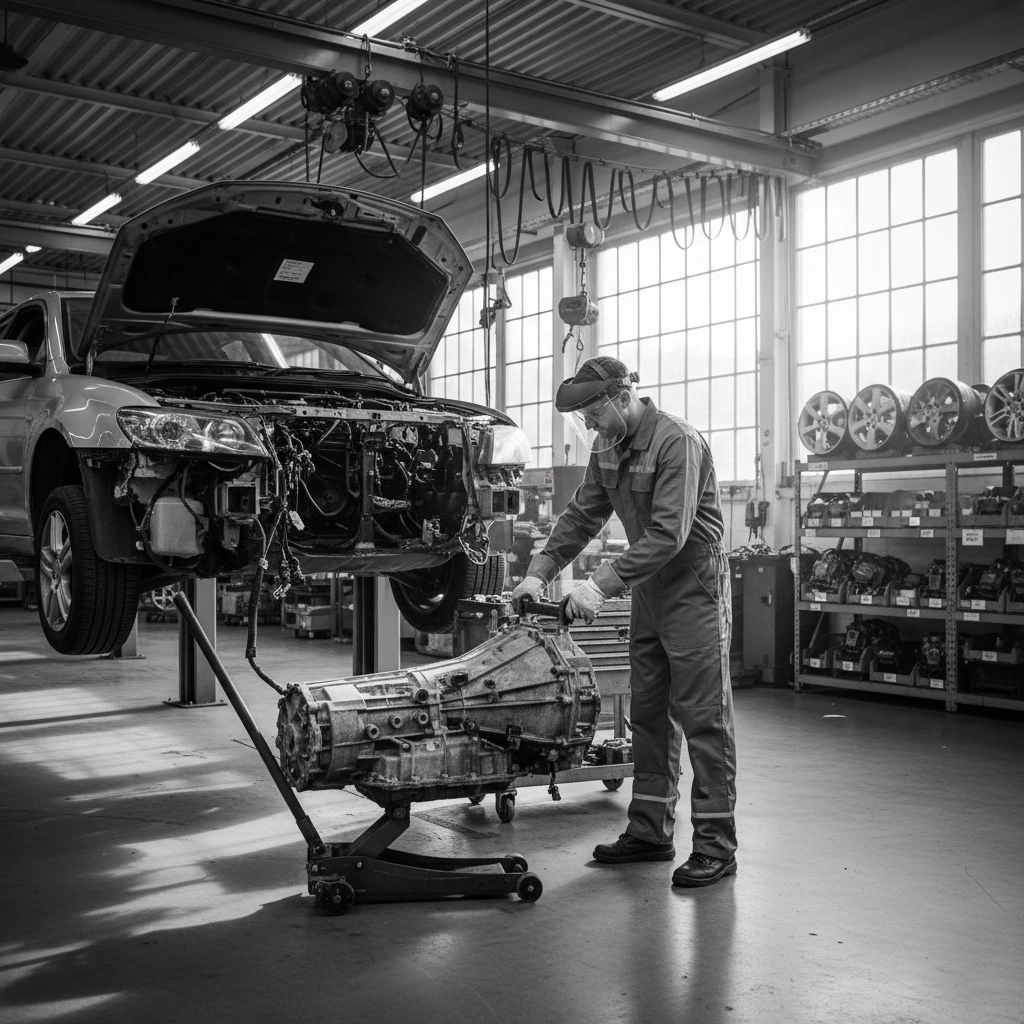
Modern scrap yard Toronto operations follow a precise, methodical process that maximizes both environmental safety and parts recovery. First, all hazardous fluids are drained: engine oil, coolant, brake fluid, and gasoline are all carefully removed and either recycled or disposed of properly. This isn't just good practice; it's required by Ontario environmental regulations.
Next comes the systematic removal of valuable components. Experienced technicians identify which parts are worth salvaging based on condition, demand, and resale value. A 2018 Honda Civic's transmission might be pulled for resale, while the airbags, catalytic converter, and ECU (engine control unit) are also carefully removed and tested.
The process requires real expertise. Unlike what you might expect when scrapping a car, skilled technicians can identify valuable components that untrained eyes might miss. They know which parts from which model years are in high demand, and they understand how to remove components without damaging them.
Toronto's Strategic Advantage in the Global Market
Toronto's location gives local auto wreckers a unique advantage in the used parts market. The city sits at the intersection of major highways, has access to shipping ports, and serves as a gateway between the massive North American vehicle market and international buyers.
Toronto area auto wreckers process vehicles that have operated in some of the world's harshest conditions: Canadian winters, road salt, temperature swings from -30°C to +35°C. Surprisingly, this creates value rather than destroying it. Components that survive Canadian weather conditions are proven durable, making them highly sought-after in markets where vehicle longevity is critical.
Local facilities like those throughout the GTA maintain massive inventories. Some operations sprawl across 75+ acres, with new vehicles arriving weekly. This constant influx ensures customers can find parts for both common vehicles and rare imports that might be impossible to find elsewhere.
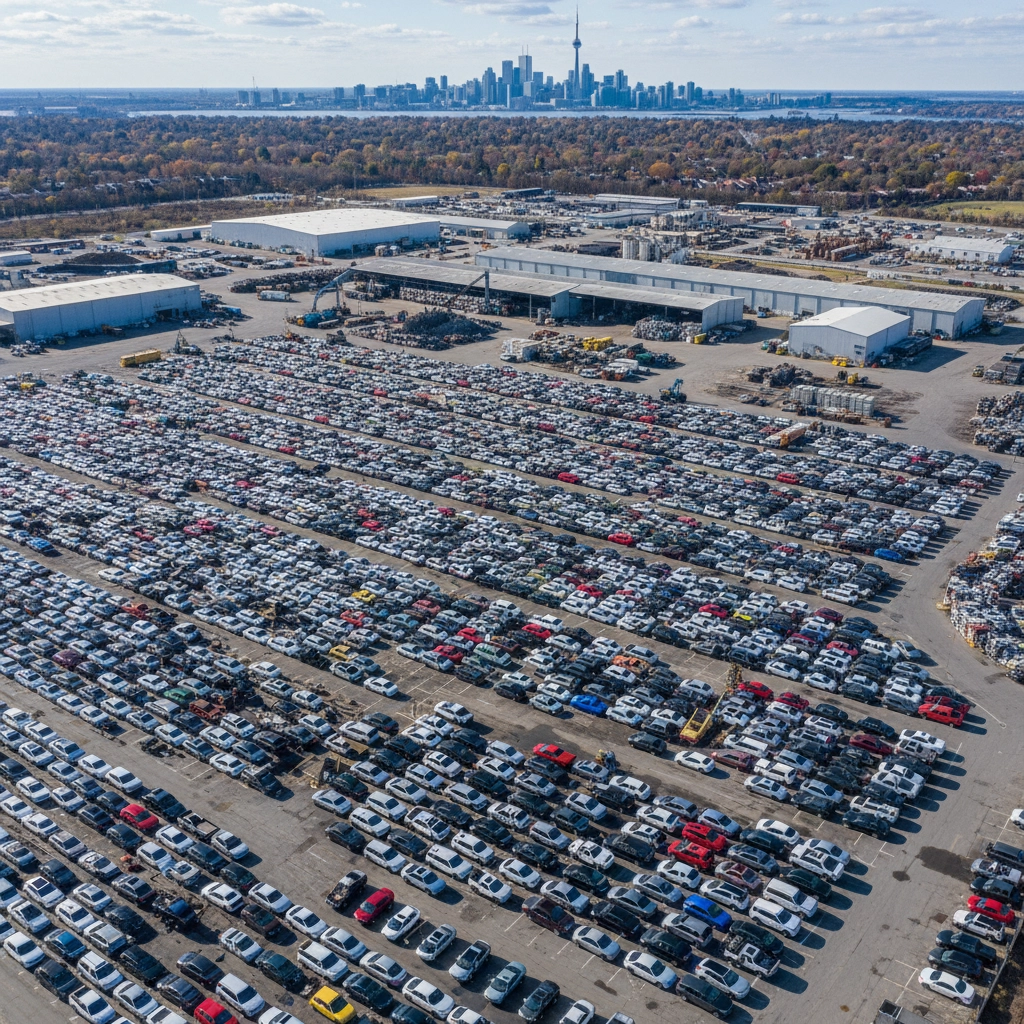
The scale is impressive. A single large Toronto auto recycler might process over 10,000 vehicles annually, generating hundreds of thousands of individual parts for resale. Each vehicle typically yields 80% reusable materials by weight: about 75% metals for commodity markets and 5% components for the used parts trade.
Quality Control: Not Your Grandfather's Junkyard
Gone are the days when buying used auto parts meant gambling on mystery components. Today's scrap yard Toronto operations employ sophisticated quality control processes that rival traditional parts suppliers.
Modern auto recyclers use computerized inventory systems that track every component's source vehicle, mileage, removal date, and condition assessment. VIN decoders ensure perfect fitment compatibility, while digital catalogs let customers see exactly what they're buying before making a purchase.
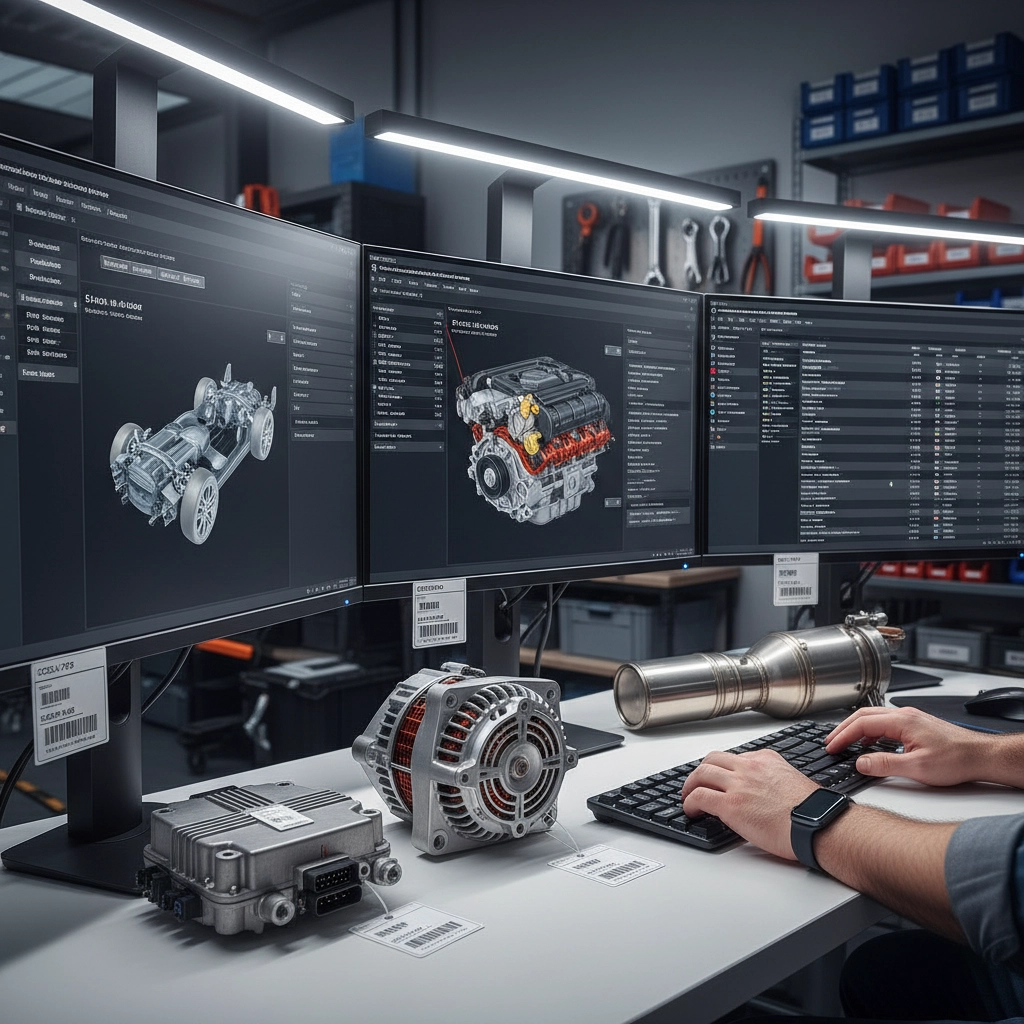
Many facilities offer warranties on major components: sometimes matching the coverage provided by traditional parts suppliers. This confidence comes from rigorous testing protocols. Engines and transmissions undergo compression tests, leak checks, and performance evaluations. Electronic components are tested for proper function, while body parts are inspected for structural integrity and finish quality.
The professionalization extends to customer service. Gone are the days of trudging through muddy lots hoping to spot the right part. Many Toronto auto recyclers now offer online inventory searches, phone consultations, and even home delivery services. Some facilities maintain customer service representatives who can cross-reference parts across multiple vehicles and suggest alternatives if exact matches aren't available.
This evolution reflects changing customer expectations and the industry's recognition that buying used car parts doesn't have to mean compromising on service or reliability. When comparing used parts to new auto parts, the quality gap has narrowed significantly while the price advantage remains substantial.
Environmental Impact: The Green Side of Auto Recycling
Auto recycling represents one of North America's most successful environmental programs, and Toronto's scrap yards play a crucial role in this success story. The statistics are remarkable: automotive recycling keeps approximately 25 million tons of materials out of landfills annually across North America.
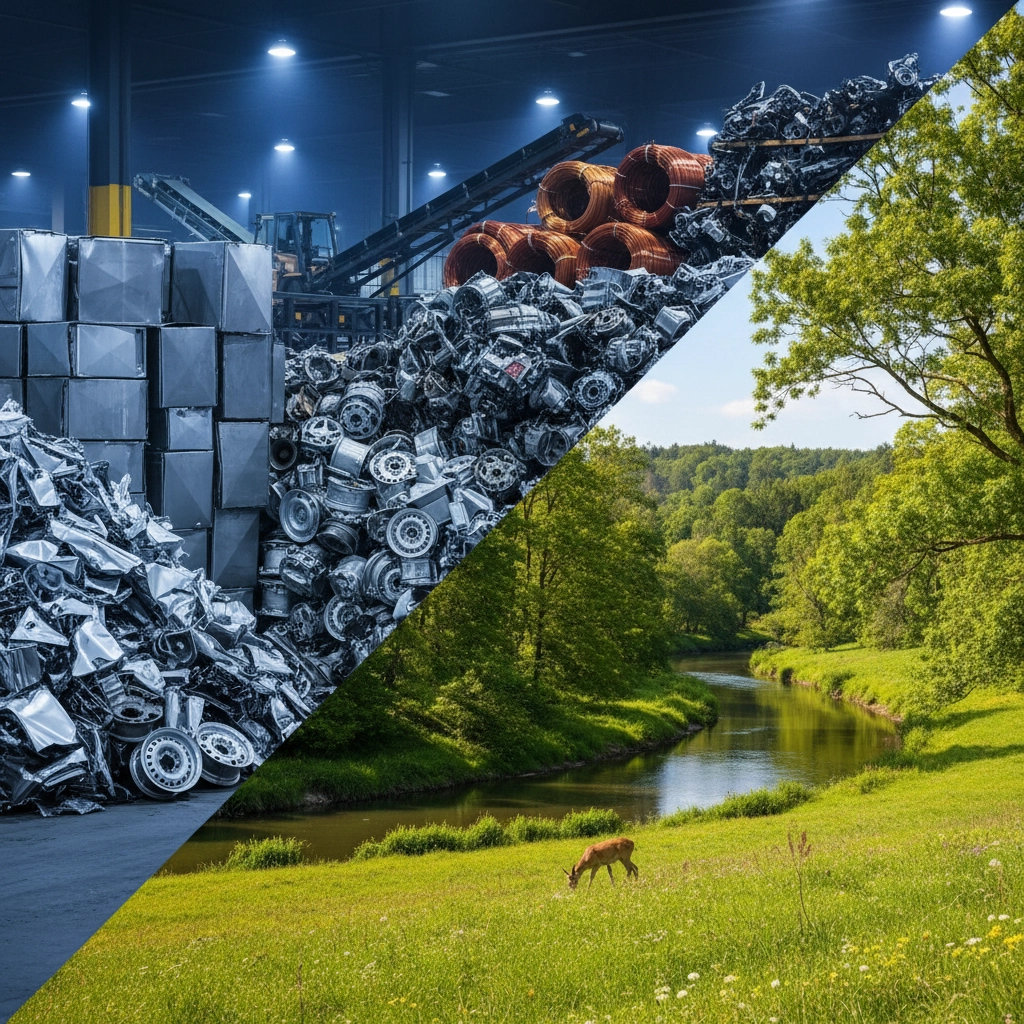
Every vehicle processed by Toronto area facilities diverts substantial waste from disposal sites. Steel, aluminum, copper, and other metals are recovered and reintroduced into manufacturing supply chains. Plastics from bumpers, dashboards, and interior components often get processed into new automotive parts or other products.
But the environmental benefits extend beyond material recovery. When you understand what auto recycling really means, you realize that every reused component represents avoided manufacturing: and manufacturing new auto parts requires significant energy, raw materials, and transportation resources.
Consider a reused engine. Manufacturing a new engine requires mining iron ore, processing steel, machining components, and shipping finished products from factories to dealers. A quality reused engine from a Toronto scrap yard provides the same functionality while consuming virtually no additional raw materials or manufacturing energy.
The ripple effects benefit consumers too. Insurance companies recognize that vehicle repairs using quality used parts cost less than OEM replacements, which helps keep insurance premiums lower for everyone. Some estimates suggest that auto recycling saves Canadian consumers over $1 billion annually in vehicle repair costs.
Serving Local and Global Markets
Toronto's auto recycling industry operates on multiple scales simultaneously. Locally, these facilities serve the repair needs of the GTA's millions of vehicle owners. A Toronto resident whose 2015 Toyota Camry needs a replacement door can often find a perfect match at a fraction of the cost of a new part.
But the market extends far beyond local customers. Toronto auto recyclers export significant volumes to international markets, particularly in Africa, South Asia, and the Middle East. In these markets, vehicles often operate for decades longer than typical North American lifespans, creating ongoing demand for quality replacement components.

The export business requires specialized knowledge. International buyers have specific requirements for documentation, packaging, and quality verification. Successful Toronto exporters understand these requirements and can efficiently bundle, ship, and track parts destined for overseas markets.
This global reach transforms local scrap yards into international businesses. A transmission removed from a vehicle in Scarborough might end up keeping a taxi running in Lagos, Nigeria. An engine from a Mississauga salvage yard could power a delivery truck in Bangladesh for another decade.
The Consumer Advantage: Quality Parts at Fair Prices
For Toronto-area consumers, the city's robust auto recycling industry translates into real benefits. Whether you're deciding if your car is worth repairing or should be replaced, having access to quality used parts can tip the economic equation in favor of repair.
The savings are substantial. Used parts typically cost 30-70% less than new OEM components, while offering comparable reliability for many applications. A used transmission that's been tested and warranted might cost $1,800 versus $4,500 for a new unit: a difference that could determine whether an older vehicle gets repaired or scrapped.
Quality used parts also offer advantages over some aftermarket alternatives. A genuine OEM component that's been used for 50,000 miles often provides better fit, finish, and reliability than a brand-new aftermarket part of questionable origin.
Looking Forward: Technology and Evolution
Toronto's auto recycling industry continues evolving with advancing technology. Modern vehicles contain increasingly sophisticated electronic systems, requiring specialized knowledge for proper testing and removal. Hybrid and electric vehicles introduce new challenges and opportunities as these technologies become more prevalent in the waste stream.
Some facilities now use advanced inventory management systems that integrate with national parts databases, making it easier for customers anywhere in Canada to locate specific components. Others employ sophisticated testing equipment that can evaluate electronic components with the same precision as dealership service departments.
The industry's evolution reflects broader changes in automotive technology and consumer expectations. As vehicles become more complex and expensive to repair, the value proposition of quality used parts becomes even more compelling.
Toronto's scrap yards have transformed from simple salvage operations into sophisticated businesses that bridge local needs with global markets, environmental responsibility with economic opportunity. For the thousands of Toronto-area vehicle owners who rely on these facilities: whether they realize it or not: this hidden market provides an essential service that keeps older vehicles economically repairable and reduces the environmental impact of automotive transportation.
The next time you drive past a Toronto auto recycling facility, remember: you're looking at a crucial piece of infrastructure that helps keep vehicles running, costs down, and waste out of landfills. It's a perfect example of how smart business practices can align environmental benefits with economic value: and why Toronto's position in the global used auto parts industry continues to grow stronger every year.


GET A QUOTE

Replacing a Catalytic Converter? Don’t Leave the Old Catalytic With The Muffler Shop

4 Signs It’s Time To Buy A New Car

Why buying a used car battery is better than buying new
