
Road To Recycling Online Magazine



Why Certain GTA Neighbourhoods Have More Junk Cars (And What It Means for Sellers)
If you've ever driven through different Toronto neighborhoods, you've probably noticed something interesting: some areas seem to have way more old, beat-up cars sitting in driveways, while others barely have a rusty bumper in sight. As one of the leading toronto scrap car removal services, we see this pattern every single day at Auto Heaven.
But why does this happen? And more importantly, what does it mean if you're trying to sell your junk car? Let's dive into the fascinating (and surprisingly complex) world of neighborhood car demographics.
The Economic Reality Behind Junk Car Distribution
The most obvious factor is economics, but it's not as simple as "rich areas have fewer junk cars." The relationship between income and vehicle condition is more nuanced than you might think.
In higher-income neighborhoods like Rosedale or Forest Hill, residents typically replace their vehicles before they reach true "junk" status. When a BMW starts having transmission issues, the owner usually trades it in or sells it privately rather than letting it sit and deteriorate.
However, in working-class neighborhoods throughout Scarborough, North York, or parts of Etobicoke, families often hold onto vehicles longer: sometimes out of necessity, sometimes hoping to eventually fix them. A 2008 Honda Civic with engine problems might sit in a Malvern driveway for two years while the family saves up for repairs that may never come.
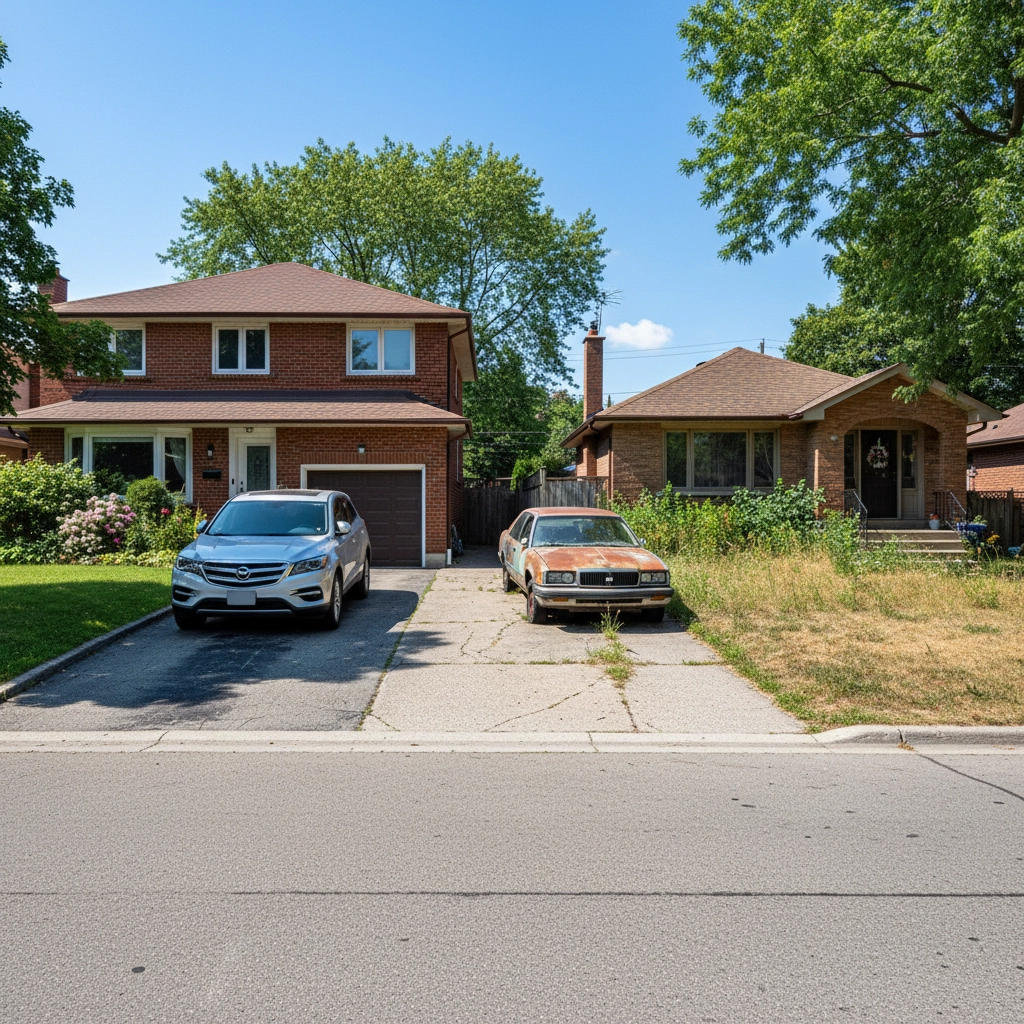
This creates what we call "automotive limbo": cars that aren't quite ready for the scrap yard toronto services, but aren't roadworthy either. Eventually, most of these vehicles do need professional removal, which is where companies like Auto Heaven come in.
Housing Types Shape Car Storage Patterns
The type of housing in a neighborhood dramatically affects junk car accumulation. Areas dominated by single-family homes with driveways and garages can "hide" non-functional vehicles much more easily than high-rise apartment districts.
Take a neighborhood like The Beaches, where many homes have laneways and private parking. A family might keep a non-running car "just in case" because they have the space. Compare this to downtown condos where parking spots cost $40,000+ to buy: nobody's keeping a dead car in premium real estate like that.
Suburban areas in Mississauga, Vaughan, or Richmond Hill often have the worst junk car accumulation because of this storage factor. Large driveways and backyards mean multiple vehicles can sit undisturbed for years. We've removed cars from Brampton homes that hadn't moved since the early 2000s!
The Transit Factor Nobody Talks About
Here's something most people don't consider: neighborhoods with excellent public transit actually tend to accumulate more junk cars over time. Sounds backwards, right?
Areas well-served by the TTC often have residents who can easily get by without driving daily. When someone's car breaks down in Liberty Village or Leslieville, they might just start taking the streetcar to work instead of immediately dealing with the broken vehicle.
In contrast, transit-poor areas in outer Scarborough or northern Etobicoke force residents to either fix their cars quickly or replace them: there's no middle ground of "I'll deal with it later" when you literally can't get to work without a vehicle.
Industrial Zones and the Hidden Car Graveyards
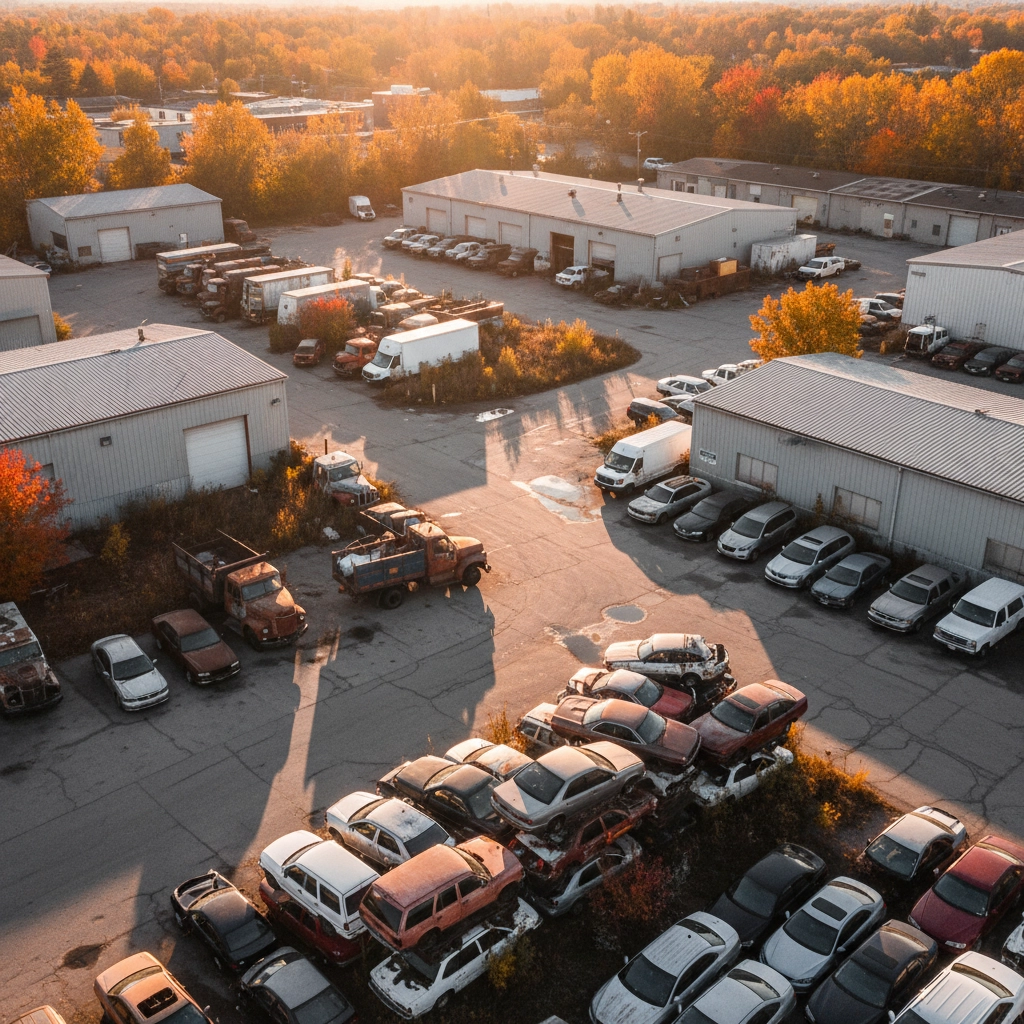
Some of Toronto's highest concentrations of junk cars aren't in residential areas at all. Industrial districts in areas like Weston, parts of North York, and sections of Etobicoke often become unofficial car storage zones.
Small business owners: especially those in trades like construction or landscaping: frequently accumulate work vehicles that eventually break down. A plumbing contractor might have three vans behind his shop: one running, one for parts, and one that "might run again someday."
These areas represent goldmines for toronto area auto wreckers because industrial clients often have multiple vehicles to remove at once, making the logistics much more efficient.
Why Age of Neighborhood Matters More Than You Think
Toronto's older, established neighborhoods often have more junk cars than newer developments, but not for the reasons you might expect. It's not about the age of the residents or their income: it's about infrastructure.
Older neighborhoods were built when car ownership rates were lower. Streets are narrower, parking is tighter, and many homes lack adequate garage space. When someone in Riverdale or Cabbagetown has a car that won't start, finding space to store it while deciding what to do becomes a real challenge.
New subdivisions in places like Markham or Milton were designed around multiple-car ownership. Wide driveways, three-car garages, and strict HOA rules mean broken cars get dealt with quickly: either repaired or removed.
What This Geographic Pattern Means for Scrap Car Sellers
Understanding these neighborhood dynamics can significantly impact your experience selling a junk car. Here's what you need to know:
Timing Matters by Location: In affluent areas, toronto scrap car removal companies like Auto Heaven often have faster response times because there's social pressure to remove unsightly vehicles quickly. In industrial or working-class areas, you might have more flexibility on timing but potentially more competition from other junk cars.
Pricing Can Vary: Neighborhoods with lots of junk cars might seem like they'd have lower prices due to oversupply, but the opposite is often true. Areas with regular scrap car activity have established relationships with removal services, leading to better, more standardized pricing.
Access and Logistics: Some Toronto neighborhoods are simply harder for removal trucks to navigate. If you're in an area with narrow streets, back lanes, or complicated parking restrictions, make sure your scrap car removal service is experienced with urban logistics. At Auto Heaven, we've been navigating Toronto's tricky neighborhoods for years, so accessibility is rarely an issue for us.
The Bylaw Factor That Changes Everything
Different Toronto neighborhoods: and different municipalities within the GTA: have varying enforcement levels for abandoned vehicle bylaws. Some areas are strict about cars sitting unmoved for 72 hours, while others are more lenient.
Areas with active bylaw enforcement often see faster junk car turnover, not because residents are more proactive, but because they receive notices requiring action. If you're in a neighborhood known for strict parking enforcement, you might have less time to shop around for the best scrap car deal.
Understanding what happens to a car at the scrapyard can help you make informed decisions about timing, especially if you're facing bylaw pressure.
Making the Most of Your Neighborhood's Scrap Car Market
Regardless of which Toronto neighborhood you call home, the key to maximizing your junk car's value lies in understanding the local market dynamics and working with experienced professionals.
If you're in a high-competition area with lots of junk cars, focus on the convenience and service quality of your chosen removal company rather than trying to squeeze out every last dollar. In areas where junk cars are rare, you might have more negotiating power but also fewer service options.
Before making any decisions, it's worth checking out our guide on avoiding scrap car scams, especially if you're in a neighborhood where multiple companies are actively competing for business.
The Bottom Line for Toronto Scrap Car Sellers
The neighborhood you live in absolutely affects your junk car selling experience, but not always in obvious ways. Economic factors, housing types, transit access, and local bylaws all play interconnected roles in creating Toronto's complex scrap car landscape.
Whether you're dealing with a broken-down sedan in Scarborough or a dead pickup truck in Pickering, the most important factor isn't your postal code: it's choosing a reputable, experienced toronto scrap car removal service that understands these local dynamics.
At Auto Heaven, we've been serving every corner of the GTA long enough to understand how neighborhood factors affect everything from pickup logistics to fair pricing. We've removed cars from tiny downtown laneways, sprawling Mississauga driveways, and everything in between.
Ready to turn your neighborhood's junk car problem into cash in your pocket? Contact Auto Heaven today for a free, no-obligation quote that takes your local market conditions into account.
GET A QUOTE

Replacing a Catalytic Converter? Don’t Leave the Old Catalytic With The Muffler Shop

4 Signs It’s Time To Buy A New Car

Why buying a used car battery is better than buying new
